Sunday, September 2, 2012

Weight Trainers Cutting Stack: BPI Sports A-HD and Solid


I did this stack sometime before I started this blog and was surprised with the results. I started taking it and found that I was leaning out. I hadn't changed my diet and had friends keep telling me that my face was getting leaner. The weird thing was that my weight was not changing but my face and body was looking leaner.

Cool huh.

My favorite BPI Sports products are still Blox and Super Pro but as far as visual results this combo beats them both.

A-HD by itself did nothing for me but I've met guys that love it stand alone. I will probably try A50 in acouple of months.

BPI Sports calls it the Get Hard Stack and it seems to work. I have no idea how because I've searched and searched and can't find anything as far as studies goes.

This is all anecdotal or "Bro Science". Give it a try.


I am always afraid of long-term use of anything that hasn't been used or tested with human subjects. So be cautious.

BPI recommends that you take 1 Solid in the morning and 1 A-HD in the afternoon. I think most days that I took both in the morning.

Here's what's in it.

A-HD (the give a bunch of chemical names but it's really common stuff)

Safflower Seed Extract or Carthamus tinctorius CHEMICAL NAME: (3s,4s)-4-[(3,4-dimethoxyphenyl)methyl]-3-hydroxy-3-[[3-methoxy-4-[(2s,3r,4s,5r,6r)-3,4,5-trihydroxy-6-(hydroxymethyl)oxan-2-yl]oxy-phenyl]methyl]oxolan-2-one

Flax Seed Lignan CHEMICAL NAME: (2r,3r)-2,3-bis[(4-hydroxy-3-methoxyphenyl)methyl]butane-1,4-diol;(2r,3r,4s,5s,6r)-6-(hydroxymethyl)oxane-2,3,4,5-tetrol

Pterostilbene - Similiar to Resveratrol CHEMICAL NAME: 4-[(e)-2-(3,5-dimethoxyphenyl)ethenyl]phenol

Gingerol CHEMICAL NAME: s)-5-hydroxy-1-(4-hydroxy-3-methoxyphenyl)-3-decanone

Caffeate (beehive propolis) CHEMICAL NAME: phenethyl(e)-3-(3,4-dihydroxyphenyl)prop-2-enoate

For a really good treatment of this goto What’s In BPI Arimedex? or BPI Sports A-HD (Arimedex) Ingredients: Snake Oil or TheReal Deal? .

Why not just call it these? Instead of giving names that make you think it's a prohormone combination. Whatever, it did give me results when combined with SOLID.

The below study references was found on www.bodybuilding.com product page.

1] Biosci Biotechnol Biochem. 2006 Nov;70(11):2783-5.


  • [2] J Toxicol Environ Health A. 1999 Apr 23;56(8):555-70.


  • [3] J Vet Med Sci. 2002 Sep;64(9):761-5.


  • [4] J Nutr. 2006 Jun;136(6):1545-51.


  • [5] Exp Biol Med. 2007 Sep;232(8):1071-80.


  • [6] Curr Clin Pharmacol. 2006 Jan;1(1):81-101.


  • [7] Mol Nutr Food Res. 2010 Mar;54(3):335-44.


  • [8] Ir J Reprod Med. 2009 Winter;7(1):7-12.


  • [9] Ann NY Acad Sci. 2004 Dec;1030:501-7.


  • [10] J Steroid Biochem Mol Biol. 2009 Jan;113(1-2):65-74.

  • SOLID™
    Proprietary Blend 100mg
    Borassus Aethiopum (Germinating Shoot) *
    Tulbaghia Violacea Harv. (Leaf And Rhizome) *
    Cynodon Dactylon (Aerial) *

    Found the below on a forum at www.supplementreviews.com .

    SOLID™'s dual Anabolic and Androgenic activity results from the fact that it's formulated with a novel class of naturally-occurring compounds...* Compounds which appear to effectively bind to androgen receptors, and modulate protein synthesis and help decrease protein breakdown.* 1 The anabolic actions of androgens are demonstrated through changes in body, plasma amino acid level, and plasma urea level, among other indicators. 4-7

    The physiological (regulation, metabolism, and mechanisms) importance of this dual anabolic and androgenic activity simply cannot be understated.* It is T-H-E key. The key to SOLID™, the key to getting the hardening, definition, strength, and vascular effects you want... and, need, to be contest ready! †*


    † When combined with a proper exercise and nutrition regimen.

    The below study references was found on www.bodybuilding.com product page.

    REFERENCES:
    [1] J Sci Res. 2010; 2(2): 362-8.
    [2] J Young Pharm. 2011 Jan-Mar; (3)1: 26-35.
    [3] J Ethnopharmacol. 2010; 132: 359-61.
    [4] J Appl Physiol. 1989 Jan;66(1):498-503.
    [5] J Appl Physiol. 1991 Mar;70(3):1038-43.
    [6] Metabolism. 1985 Jun;34(6):571-3.
    [7] Endocr Rev. 1987 Feb;8(1):1-28.


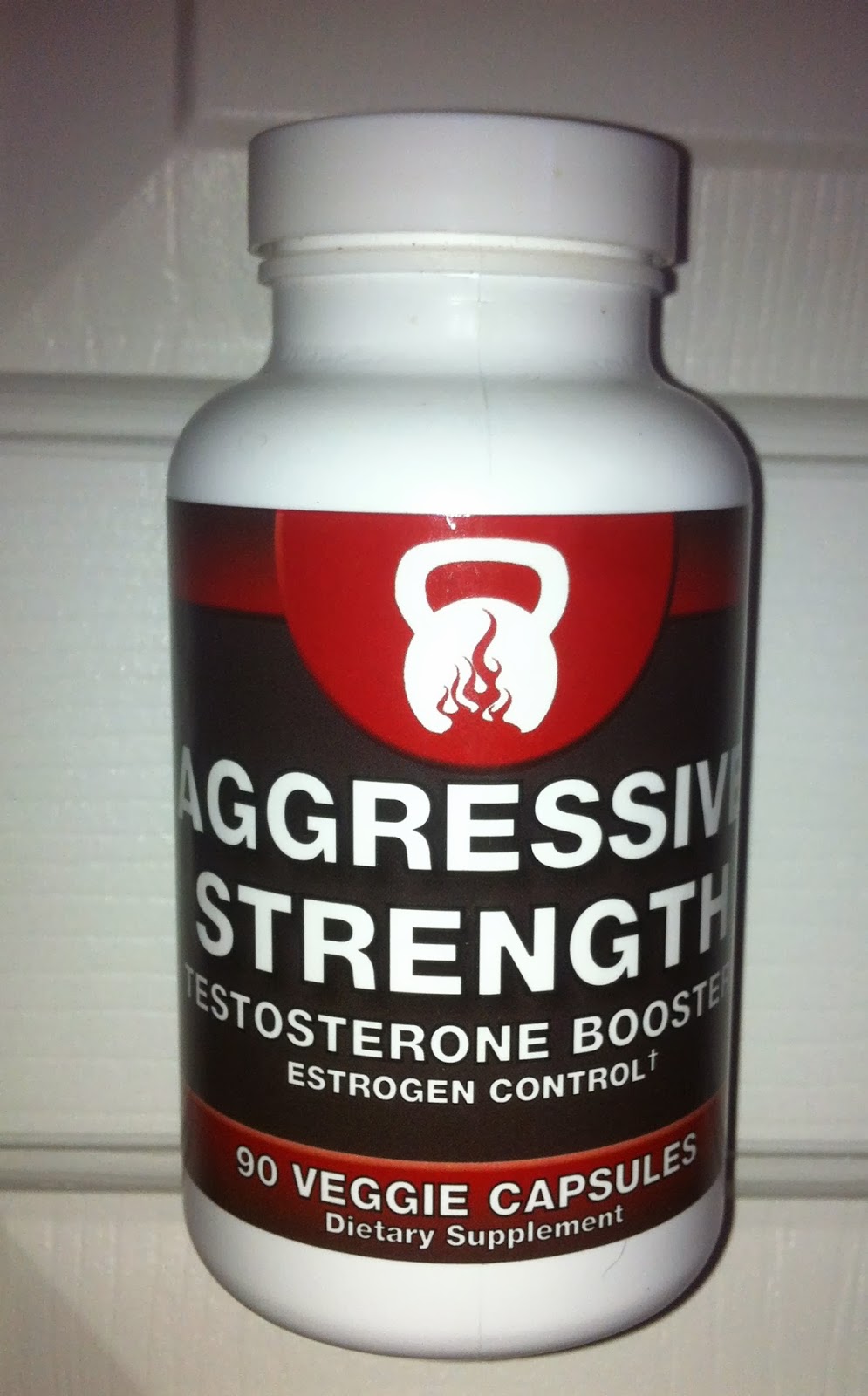
    Mahler's Aggressive Strength - MikeMahler.com


    Green Coffee Bean Extract - Starting Tomorrow - Featured on the Dr. Oz Show


    There are lots of green coffee bean products out there. Life Extension, Top Secret, Futurebiotics, Resverage, Biogenetic Laboratories to name a few. I recently met a guy who lost 20 pounds over the past month taking one capsule (400mg) before each meal. He also said he has more energy without the drained feeling in the afternoon.

    I like the theory behind green coffee bean extract because it is based on sugar control. Slowing the insulin response to high blood sugar levels seem to be key. From what I've read, excess sugars are either shuttled into muscle or fat by insulin and if you haven't used up all the sugars in muscle by working out, it has no where to go but into fat. If you aren't always low or slow carb you will have considerable fat accumulation.

    I bought some today and will start it tomorrow. It appears that everyone else in town is buying it too because I there was only one bottle left of each of the brands above when I went to get it. I bought the Life Extension Coffeegenic brand. Why because they always back up their products with study references. I will update you when the bottle is empty.

    Dr. Oz recommends 800mg twice per day. I'm going to do 400mg with each of my meals because I'm not made of money.


    The below study references are from Life Extension Magazine February 2012 edition.

    Green Coffee Bean Extract

    The effect of chlorogenic acid enriched coffee on glucose absorption in healthy volunteers and its effect on body mass when used long-term in overweight and obese people.

    The results from a clinical study performed in 12 healthy volunteers with different coffee products containing glucose show that instant coffee enriched with chlorogenic acid induced a reduction in the absorption of glucose of 6.9% compared with the control. No such effects were seen with normal or decaffeinated instant coffee. In a second, comparative, randomized, double-blind, 12-week study we investigated the effect on the body mass of 30 overweight people, compared with normal instant coffee. The average losses in mass in the chlorogenic acid enriched and normal instant coffee groups were 5.4 and 1.7 kg, respectively. We conclude that chlorogenic acid enriched instant coffee appears to have a significant effect on the absorption and utilization of glucose from the diet. This effect, if the coffee is used for an extended time, may result in reduced body mass and body fat when compared with the use of normal instant coffee.
    J Int Med Res. 2007 Nov-Dec;35(6):900-8

    Acute effects of decaffeinated coffee and the major coffee components chlorogenic acid and trigonelline on glucose tolerance.

    OBJECTIVE: Coffee consumption has been associated with lower risk of type 2 diabetes. We evaluated the acute effects of decaffeinated coffee and the major coffee components chlorogenic acid and trigonelline on glucose tolerance. RESEARCH DESIGN AND METHODS: We conducted a randomized crossover trial of the effects of 12 g decaffeinated coffee, 1 g chlorogenic acid, 500 mg trigonelline, and placebo (1 g mannitol) on glucose and insulin concentrations during a 2-h oral glucose tolerance test (OGTT) in 15 overweight men. RESULTS: Chlorogenic acid and trigonelline ingestion significantly reduced glucose (-0.7 mmol/l, P = 0.007, and -0.5 mmol/l, P = 0.024, respectively) and insulin (-73 pmol/l, P = 0.038, and -117 pmol/l, P = 0.007) concentrations 15 min following an OGTT compared with placebo. None of the treatments affected insulin or glucose area under the curve values during the OGTT compared with placebo. CONCLUSIONS: Chlorogenic acid and trigonelline reduced early glucose and insulin responses during an OGTT.
    Diabetes Care. 2009 Jun;32(6):1023-5

    Inhibitory effect of green coffee bean extract on fat accumulation and body weight gain in mice.

    BACKGROUND: An epidemiological study conducted in Italy indicated that coffee has the greatest antioxidant capacity among the commonly consumed beverages. Green coffee bean is rich in chlorogenic acid and its related compounds. The effect of green coffee bean extract (GCBE) on fat accumulation and body weight in mice was assessed with the objective of investigating the effect of GCBE on mild obesity. METHODS: Male ddy mice were fed a standard diet containing GCBE and its principal constituents, namely, caffeine and chlorogenic acid, for 14 days. Further, hepatic triglyceride (TG) level was also investigated after consecutive administration (13 days) of GCBE and its constituents. To examine the effect of GCBE and its constituents on fat absorption, serum TG changes were evaluated in olive oil-loaded mice. In addition, to investigate the effect on hepatic TG metabolism, carnitine palmitoyltransferase (CPT) activity in mice was evaluated after consecutive ingestion (6 days) of GCBE and its constituents (caffeine, chlorogenic acid, neochlorogenic acid and feruloylquinic acid mixture). RESULTS: It was found that 0.5% and 1% GCBE reduced visceral fat content and body weight. Caffeine and chlorogenic acid showed a tendency to reduce visceral fat and body weight. Oral administration of GCBE (100 and 200 mg/kg. day) for 13 days showed a tendency to reduce hepatic TG in mice. In the same model, chlorogenic acid (60 mg/kg. day) reduced hepatic TG level. In mice loaded with olive oil (5 mL/kg), GCBE (200 and 400 mg/kg) and caffeine (20 and 40 mg/kg) reduced serum TG level. GCBE (1%), neochlorogenic acid (0.028% and 0.055%) and feruloylquinic acid mixture (0.081%) significantly enhanced hepatic CPT activity in mice. However, neither caffeine nor chlorogenic acid alone was found to enhance CPT activity. CONCLUSION: These results suggest that GCBE is possibly effective against weight gain and fat accumulation by inhibition of fat absorption and activation of fat metabolism in the liver. Caffeine was found to be a suppressor of fat absorption, while chlorogenic acid was found to be partially involved in the suppressive effect of GCBE that resulted in the reduction of hepatic TG level. Phenolic compounds such as neochlorogenic acid and feruloylquinic acid mixture, except chlorogenic acid, can enhance hepatic CPT activity.
    BMC Complement Altern Med. 2006 Mar 17;6:9

    Coffee polyphenols suppress diet-induced body fat accumulation by downregulating SREBP-1c and related molecules in C57BL/6J mice.

    The prevalence of obesity is increasing globally, and obesity is a major risk factor for type 2 diabetes and cardiovascular disease. We investigated the effects of coffee polyphenols (CPP), which are abundant in coffee and consumed worldwide, on diet-induced body fat accumulation. C57BL/6J mice were fed either a control diet, a high-fat diet, or a high-fat diet supplemented with 0.5 to 1.0% CPP for 2-15 wk. Supplementation with CPP significantly reduced body weight gain, abdominal and liver fat accumulation, and infiltration of macrophages into adipose tissues. Energy expenditure evaluated by indirect calorimetry was significantly increased in CPP-fed mice. The mRNA levels of sterol regulatory element-binding protein (SREBP)-1c, acetyl-CoA carboxylase-1 and -2, stearoyl-CoA desaturase-1, and pyruvate dehydrogenase kinase-4 in the liver were significantly lower in CPP-fed mice than in high-fat control mice. Similarly, CPP suppressed the expression of these molecules in Hepa 1-6 cells, concomitant with an increase in microRNA-122. Structure-activity relationship studies of nine quinic acid derivatives isolated from CPP in Hepa 1-6 cells suggested that mono- or di-caffeoyl quinic acids (CQA) are active substances in the beneficial effects of CPP. Furthermore, CPP and 5-CQA decreased the nuclear active form of SREBP-1, acetyl-CoA carboxylase activity, and cellular malonyl-CoA levels. These findings indicate that CPP enhances energy metabolism and reduces lipogenesis by downregulating SREBP-1c and related molecules, which leads to the suppression of body fat accumulation.
    Am J Physiol Endocrinol Metab. 2011 Jan;300(1):E122-33

    National, regional, and global trends in fasting plasma glucose and diabetes prevalence since 1980: systematic analysis of health examination surveys and epidemiological studies with 370 country-years and 2•7 million participants.

    BACKGROUND: Data for trends in glycaemia and diabetes prevalence are needed to understand the effects of diet and lifestyle within populations, assess the performance of interventions, and plan health services. No consistent and comparable global analysis of trends has been done. We estimated trends and their uncertainties in mean fasting plasma glucose (FPG) and diabetes prevalence for adults aged 25 years and older in 199 countries and territories. METHODS: We obtained data from health examination surveys and epidemiological studies (370 country-years and 2•7 million participants). We converted systematically between different glycaemic metrics. For each sex, we used a Bayesian hierarchical model to estimate mean FPG and its uncertainty by age, country, and year, accounting for whether a study was nationally, subnationally, or community representative. FINDINGS: In 2008, global age-standardised mean FPG was 5•50 mmol/L (95% uncertainty interval 5•37-5•63) for men and 5•42 mmol/L (5•29-5•54) for women, having risen by 0•07 mmol/L and 0•09 mmol/L per decade, respectively. Age-standardised adult diabetes prevalence was 9•8% (8•6-11•2) in men and 9•2% (8•0-10•5) in women in 2008, up from 8•3% (6•5-10•4) and 7•5% (5•8-9•6) in 1980. The number of people with diabetes increased from 153 (127-182) million in 1980, to 347 (314-382) million in 2008. We recorded almost no change in mean FPG in east and southeast Asia and central and eastern Europe. Oceania had the largest rise, and the highest mean FPG (6•09 mmol/L, 5•73-6•49 for men; 6•08 mmol/L, 5•72-6•46 for women) and diabetes prevalence (15•5%, 11•6-20•1 for men; and 15•9%, 12•1-20•5 for women) in 2008. Mean FPG and diabetes prevalence in 2008 were also high in south Asia, Latin America and the Caribbean, and central Asia, north Africa, and the Middle East. Mean FPG in 2008 was lowest in sub-Saharan Africa, east and southeast Asia, and high-income Asia-Pacific. In high-income subregions, western Europe had the smallest rise, 0•07 mmol/L per decade for men and 0•03 mmol/L per decade for women; North America had the largest rise, 0•18 mmol/L per decade for men and 0•14 mmol/L per decade for women. INTERPRETATION: Glycaemia and diabetes are rising globally, driven both by population growth and ageing and by increasing age-specific prevalences. Effective preventive interventions are needed, and health systems should prepare to detect and manage diabetes and its sequelae.
    Lancet. 2011 Jul 2;378(9785):31-40

    A large proportion of prediabetes and diabetes goes undiagnosed when only fasting plasma glucose and/or HbA1c are measured in overweight or obese patients.

    AIMS: The purposes of the study were to determine the prevalence of unrecognized dysglycaemia in overweight (body mass index [BMI] 25-29.9 kg/m(2)) and obese (BMI ≥30 kg/m(2)) patients, to assess the extent to which measures of fasting plasma glucose (FPG) and/or HbA(1c), compared with oral glucose tolerance tests (OGTTs), misdiagnose dysglycaemia, and to determine the factors associated with an isolated abnormal post-OGTT glucose value. METHODS: OGTT was performed and HbA(1c) was measured in 1283 inpatients with BMI scores ≥ 25 kg/m(2) and no history of dysglycaemia. RESULTS: Prediabetes was found in 257 (20.0%) subjects (197 with impaired glucose tolerance, 29 with impaired fasting glucose, 31 with both) and diabetes in 77 (6.0%), including 22 with FPG ≥ 7 mmol/L (WHO definition). The sensitivity of FPG >6 mmol/L, FPG >5.5 mmol/L, HbA(1c) ≥ 6% and the recommendations of the French National Agency of Accreditation and Evaluation in Health Care (ANAES) to identify patients with abnormal OGTTs was 29.9, 41.3, 36.8 and 15.6%, respectively. The factors that were independently associated with diabetes in obese women with FPG <7 mmol/L were age (per 10 years: OR 1.54 [1.00-2.11]; P=0.049) and FPG (OR 6.1 [1.4-30.0]; P=0.014), whereas age (OR 1.26 [1.09-1.44]; P<0.01) and waist circumference (per 10 cm: OR 1.17 [1.01-1.33]; P<0.05) were independently associated with dysglycaemia in obese women with FPG <6.1 mmol/L. CONCLUSION: In overweight and obese patients: dysglycaemia is commonly seen; FPG alone, compared with OGTT, failed to diagnose 70% of dysglycaemia cases; FPG >5.5 mmol/L and HbA(1c) ≥ 6.0% are not necessarily substitutes for OGTT; and older age and larger waist circumference should be used to select those obese women with normal FPG who might further benefit from OGTTs to diagnose dysglycaemia.
    Diabetes Metab. 2010 Sep;36(4):312-8

    Chlorogenic acid reduces the plasma glucose peak in the oral glucose tolerance test: effects on hepatic glucose release and glycaemia.

    The effects of chlorogenic acid (CA) on hepatic glucose output, blood glucose levels and on glucose tolerance were analysed. Hepatic uptake of CA and its effects on hepatic catabolism of L-alanine and glucose-6-phosphatase (G-6-Pase) activity were also evaluated. CA (1 mM) inhibited about 40% of G-6-Pase activity (p < 0.05) in the microsomal fraction of hepatocytes, but no effect was observed on production of glucose from gluconeogenesis or on L-alanine catabolism, at various concentrations of CA (0.33, 0.5 and 1 mM), in liver perfusion experiments. Since there were indications of a lack of uptake of CA by the liver, it is possible that this compound did not reach sufficiently high intracellular levels to inhibit the target enzyme. Accordingly, intravenous administration of CA also failed to provoke a reduction in blood glucose levels. However, CA did promote a significant reduction (p < 0.05) in the plasma glucose peak at 10 and 15 min during the oral glucose tolerance test, probably by attenuating intestinal glucose absorption, suggesting a possible role for it as a glycaemic index lowering agent and highlighting it as a compound of interest for reducing the risk of developing type 2 diabetes.
    Cell Biochem Funct. 2008 Apr;26(3):320-8

    Characterization of inhibitors of postprandial hyperglycemia from the leaves of Nerium indicum.

    Nerium indicum is an India-Pakistan-originated shrub belonging to the oleander family. The ingestion of leaves of N. indicum before a meal is known to effect the lowering of postprandial glucose levels in type II diabetic patients and this plant is now used as a folk remedy for type II diabetes in some regions of Pakistan. In the present study, the hot-water extract of N. indicum leaves was found to reduce the postprandial rise in the blood glucose when maltose or sucrose was loaded in rats. It was also found that the extract strongly inhibited alpha-glucosidase, suggesting that the suppression of the postprandial rise in the blood glucose is due to the occurrence of some inhibitors of alpha-glucosidase in the leaves. We, therefore, tried to isolate the active principles from the leaf extract, using alpha-glucosidase-inhibitory activity as the index. Employing Sephadex G-15, silica gel and reversed-phase HPLC, we isolated two active compounds. The UV, mass and NMR spectrometric analyses established that the chemical structures of these compounds are 3-O-caffeoylquinic acid (chlorogenic acid) and its structural isomer, 5-O-caffeoylquinic acid. Both compounds were shown to inhibit alpha-glucosidases in a non-competitive manner. The authentic chlorogenic acid was found to suppress the postprandial rise in the blood glucose in rats and also inhibited the absorption of the glucose moiety from maltose and glucose in the everted gut sac system prepared from rat intestine. These results demonstrate that chlorogenic acid is one of the major anti-hyperglycemic principles present in the leaves of N. indicum. Furthermore, among polyphenol compounds tested, quercetin and catechins were shown to have strong inhibitory activity against alpha-glucosidase.
    J Nutr Sci Vitaminol (Tokyo).2007 Apr;53(2):166-73

    Friday, August 31, 2012

    The Fatman Fights Back with the Help of Syntrax Nectar

    I was in bad shape. I had no energy, no drive and I was constantly coughing. I was sleepy, my mind seemed foggy, my back ached and my arms and legs would swell to the point where I couldn't bend my fingers or knees.


    When I got laid off, I thought who would hire me. I look like I would die on the job.

    I decided to do whey shakes and low carb and it worked. I first combined the approach with walking then went to Kmart and put a weight bench in layaway. I really started making some gains in muscle, fat loss and confidence.

    Thanks to craigslist I stepped up to olympic weights and a squat rack. I haven't looked back.


    I had lots of protein shakes but primarily used:

    Vitaminshoppe BodyTech
    Body Fortress Whey
    Syntrax Nectar
    Iron-Tek Essential
    Dymatize Elite Iso
    Dymatize Elite XT
    Optimum Nutrition Gold Standard
    Isopure Zero Carb

    My typical day:
    6 a.m. - shake (pre-workout)
    8 a.m. - shake (post-workout)
    10 a.m. - shake
    12 p.m. - shake
    solid food the rest of the day

    Here's some of numbers from my journey.


    6/22/2009– weight 247lbs

    Short of breath, sleep, low sex drive, hip pain, muscle spasms, feet, ankles and sometimes legs swelling, hands swelling, coughing, right shoulder and arm pain.

    Cannot do push-ups. Painful shoulder.

    Cannot do pull-ups.

    Started walking on treadmill.

    10/1/2009 - Started weight training.

    Cannot do push-ups.

    11/30/2009 – MAX: bench press 175lbs

    Curl 91.5lbs

    12/7/2009 - MAX: bench press 195lbs x 2

    1/1/2010- weight 229lbs

    1/17/2010 – measurement – abdomen 48

    1/17/2010 – past carbohydrate history (weight loss per week)

    22 grams per day lost 6lbs

    95/day lost 5lbs

    110/day lost 1lb

    115/day lost 3.5lbs (with exercise)

    150/day lost 1lb

    2/22/2010 - measurements

    Chest 46

    Abdomen 46

    Left Bicep 14.5

    Right Bicep 15.5

    Right Thigh 22

    Left Thigh 21

    2/23/2010 –started working out left bicep and tricep on a second day to even out the size with the right arm.

    3/8/2010 –started Muscle and Fitness 4-week Strength Band Workout

    Surprisingly, I was extremely sore after these workouts.

    3/22/2010 – measurements

    Chest 41

    Abdomen 46

    Left Bicep 17

    Right Bicep 17

    Neck 17

    4/1/2010 –started TABATA HIIT workouts (4 minutes)

    4/2/2010 – Able to do push-ups again!

    5/17/2010 - First time using chains with ez-bar curls

    5/18/2010 - MAX: chins 2

    Note: negative-accentuated technique [one second up/six seconds down]

    Note: "After [a series of full-range reps] you'll find it impossible to do a complete repetition. But that does not mean the biceps muscle is completely exhausted. You'll find with some effort that you are still able to get a few half repetitions...and when you can no longer do the half movements, you'll find you can do a couple of quarter repetitions."


    5/26/2010 - MAX: bench press 225lbs

    6/1/2010 – Adopted new workout philosophy. From books Muscle Logic and Get Huge in a Hurry. Morning cardio on empty stomach.

    Example: 15 minutes circuit

    Pull-ups/Bench Press/Squat-Press

    Treadmill wearing weighted vest.


    7/12/2010– weight 213 lbs.

    7/16/2010 – Did 20 push-ups and 5 pull-ups straight.

    8/5/2010 – Did 7 pull-ups straight.

    8/8/2010 – Did 25 push-ups straight.

    8/15/2010 – measurements

    Chest 46

    Abdomen 41

    Left Bicep 16

    Right Bicep 16

    Right Thigh 24

    Left Thigh 24

    9/20/2010– weight 205 lbs.

    I am able to button my USAF BDU pants again.

    11/13/2010 –measurements

    Chest 40

    Abdomen 42

    Left Bicep 17.5

    Right Bicep 17

    11/13/2010– weight 195 lbs.


    12/19/2010 - MAX: Curl 123 lbs x 1

    12/25/2010 – Did 30 push-ups straight.

    6/14/2011 – able to fit size 34 waist pants, down from 46 inch pants size.
    Some of the numbers and dates don't seem to jive for me but I put them in here as logged them in my journal.
    I stopped typing in my journal here. I need to update it so I can update you.

    Wednesday, August 29, 2012

    Best Flat Belly Foods as Seen On Dr. Oz

    Breakfast - Yogurt
    Snack Attach - Almonds
    Canned Food - Olives
    Candy - Dark Chocolate

    Best all around - sunflower oil


    No big revelations here. Go to www.doctoroz.com for more.


    3 Natural Energy Drinks Mentioned on Dr. Oz


    Dr. Oz focused on alternatives to jittery, high stimulant energy drinks. He discussed how those drinks should be used in moderation for emergencies and not as a daily drink. The below drinks can be used daily. While they will not give you the super boost of high caffeine drinks they will be more nourishing.

    1) Yerba Mate Tea

    2) Chocolate Whey, Glutamine and Granulated Coffee

    3) Infused Waters (lemons, limes, pineapples)

    I really like to drink all three. My recommendations are Wisdom of the Ancients Powdered Yerbe Mate Royal, Optimum Nutrition Gold Standard 100% Whey, and Iron-Tek Glutamine.

    The Iron-Tek Glutamine is more expensive than others but it is not produced from wheat gluten like most others.

    Get the full details on www.doctoroz.com and search for Miracle Energy Drinks.

    Wednesday, August 8, 2012

    Can a Cream Reduce Belly Fat? The Quest to Find a Topical Fat Burner

    Well, we will see. I just received Ab-Solution Plus today from netnutri. They had the best price I could find on this product.

    I found only two products that met the ingredients requirements for a topical fatburner.

    Ab-Solution Plus by Vyotech
    Celluthin by Celluthin


    I first came across this concept in a article in Muscle and Fitness magazine in 2006. Muscle and Fitness often will publish information about promising supplements long before they appear on the market and this was one of those instances. I then figured that maybe I would try it after reading about Tim Ferriss' experiences with a similiar product in the 4-Hour Body.

    The article and book both highlighted promising ingredients to look for in a topical fat burner and these products all contain one or more of them.

    The below ingredients were taken directly from the Muscle and Fitness article Ah! There's the Rub by Len Davis and Jim Stoppani.

    » YOHIMBINE Yohimbine increases blood flow to fat tissue and stimulates fat-burning. Topical formulas can have synergistic effects when used with oral fat-burners, increasing the delivery of these ingredients to the target area. A human trial found that yohimbine alone or in combination with other fat-burners decreased fat stores when applied to the skin. Topical yohimbine may also allow more fat-burning hormones to reach the target area.

    » FORSKOLIN Forskolin comes from the herb coleus forskohlii, a traditional Indian herb used in Ayurvedic medicine. It also plays an important role in fat-burning within fat cells. Oral forskolin supplements have been shown to reduce bodyfat while boosting testosterone levels. Topical forskolin creams have also helped study subjects lose subcutaneous fat when used consistently for four weeks.

    » AMINOPHYLLINE Aminophylline decreases the activity of enzymes that inhibit fat-burning within fat cells. Studies show that topical creams containing aminophylline can reduce fat levels directly beneath the skin. When combined with topical ingredients that increase fat-burning through different mechanisms, aminophylline has been shown to be even more effective at decreasing fat stores.

    » CAFFEINE Caffeine is probably the most clinically studied and most commonly used oral supplement for fatburning. A study as far back as 1979 found that caffeine is also well absorbed through the skin, as evidenced by increased urine levels of caffeine after topical administration in humans. Because of caffeine's high permeation through the skin, it's used medically in certain conditions for increasing delivery of caffeine in the body. Topical caffeine applications also increase blood flow -- important for burning fat since limited blood flow can be a limiting factor in fat usage.

    My starting abdominal measurement is 41 inches (around the navel). While over the past few years my pants waist has gone from 46 inches to 34 inches, my abdominal area has not budged in a year.

    Wish me luck!


    http://www.mikemahler.com/cmd.php?Clk=5223690


    http://80653ox964t9sl1ejws24-t3s9.hop.clickbank.net/

    Elliott Hulse's Lean Hybrid Muscle Reloaded - Build Muscle & Burn Fat


    Mahler's Aggressive Strength - MikeMahler.com